Skip to content

Website Design

Your website isn’t just a brochure — it’s a system.

Overview

A growing company’s website is a content platform, sales asset, hiring signal, product surface, and operational system all in one. Treating it like a one-off design project is why so many redesigns start decaying the moment they ship.

Who it’s for

We work best with teams who see the site as part of how the company runs.

  • Growing companies whose site is becoming harder to manage
  • Marketing and product teams that need durable content systems
  • Buyers who value craft, speed, maintainability, and ownership
  • Teams with a clear decision-maker and realistic investment range
  • Sanity
  • Contentful
  • WordPress
  • Astro
  • Next.js
  • React
  • Figma

Selected work

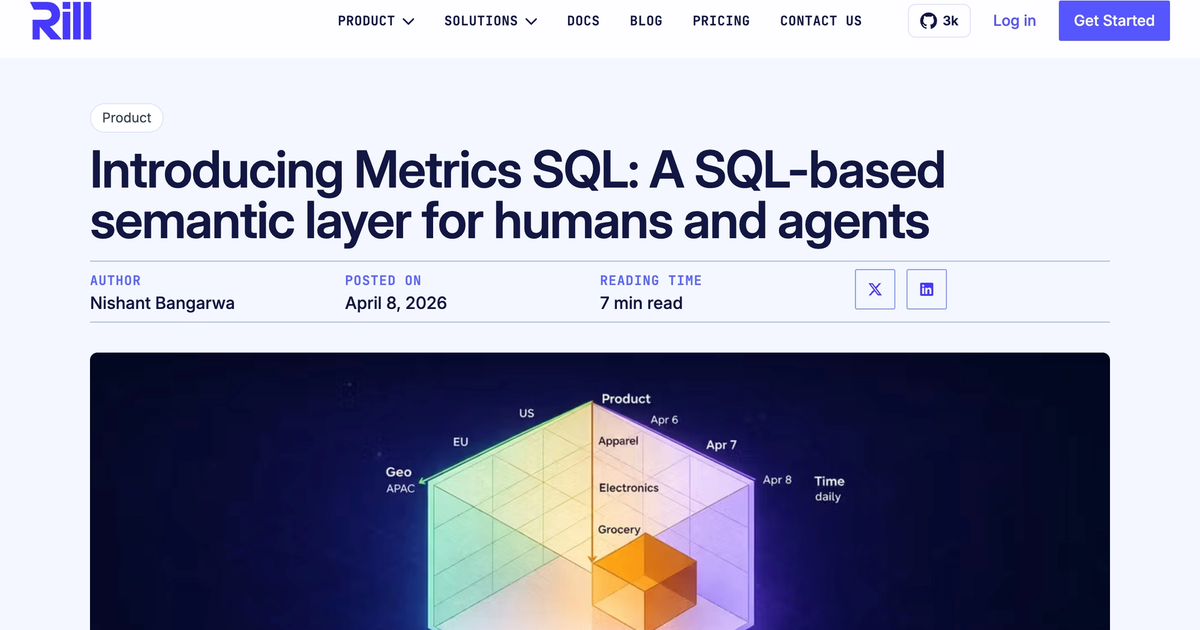
Rill

Webflow to Astro + Sanity Migration

Rill's marketing team had outgrown Webflow just as their CMO needed a new pricing page, onboarding changes and a visual refresh. We rebuilt the site on Astro and Sanity with a component-based page builder and pricing modeled as structured data, and Rill's team now publishes on their own, in Sanity Studio or with Claude Code working directly in the codebase.
Copytree

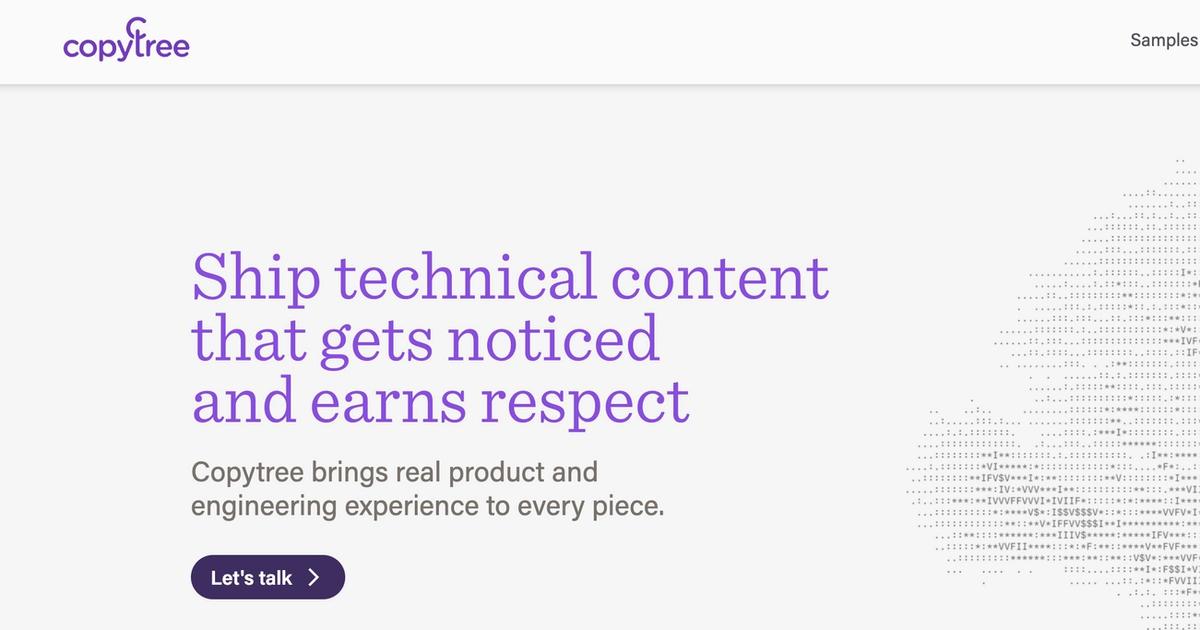
Next.js + Sanity Redesign & Migration

Copytree’s first site was a quick Wix build by its founder. We designed its replacement from the type up, with Sentinel for headings, Acumin for body text and an ASCII-art tree that has since become the company’s go-to design element, and built it on Next.js and Sanity.

Selected clients

What we do

  • Your brand, worked out for the web.

    Brand guidelines rarely say how a heading should scale on a phone, or how a project page holds a long run of photos. We work that out with type scales, spacing and layouts for every screen size. For Peabody Fine Architects, that meant a new WordPress theme built around the practice's existing soft blue palette, with large photos of finished projects doing most of the talking.

  • Great designs deserve a great build.

    Your new site needs to carry the design through every interaction. We turn designs into fast, responsive websites, with thoughtful motion and reusable components that make the next release easier.

    Website builds · Design engineering · Component systems

  • Pages your team can build without us.

    We design components and page patterns as well as the pages themselves, then connect them to your CMS, so a new page starts from parts that already look right. Rill's product overview page is assembled in Sanity from the component library we built, with live visual editing, so their team can rearrange sections or build new pages without a developer.

  • Design starts with an audit.

    Before we design anything, we look at what your current site has to do: which pages people actually visit, what each template has to hold, and which forms and integrations have to keep working. That evidence becomes the design brief. Discovery has its own scope, so you don't have to commit to a build to get the plan.

How we work

  1. Start with a conversation

    We start with a conversation about where you are and what you're trying to do.

  2. Bring the people who know the work

    You bring your goals, your constraints and the people who know the work best.

  3. Build, hand off, or keep going

    From there, we either build a first version your team takes over, or stay on as part of your team on a monthly retainer.

  4. You own the result

    Either way, you own the result: code, content and accounts.

Platforms we specialize in

About Bits&Letters

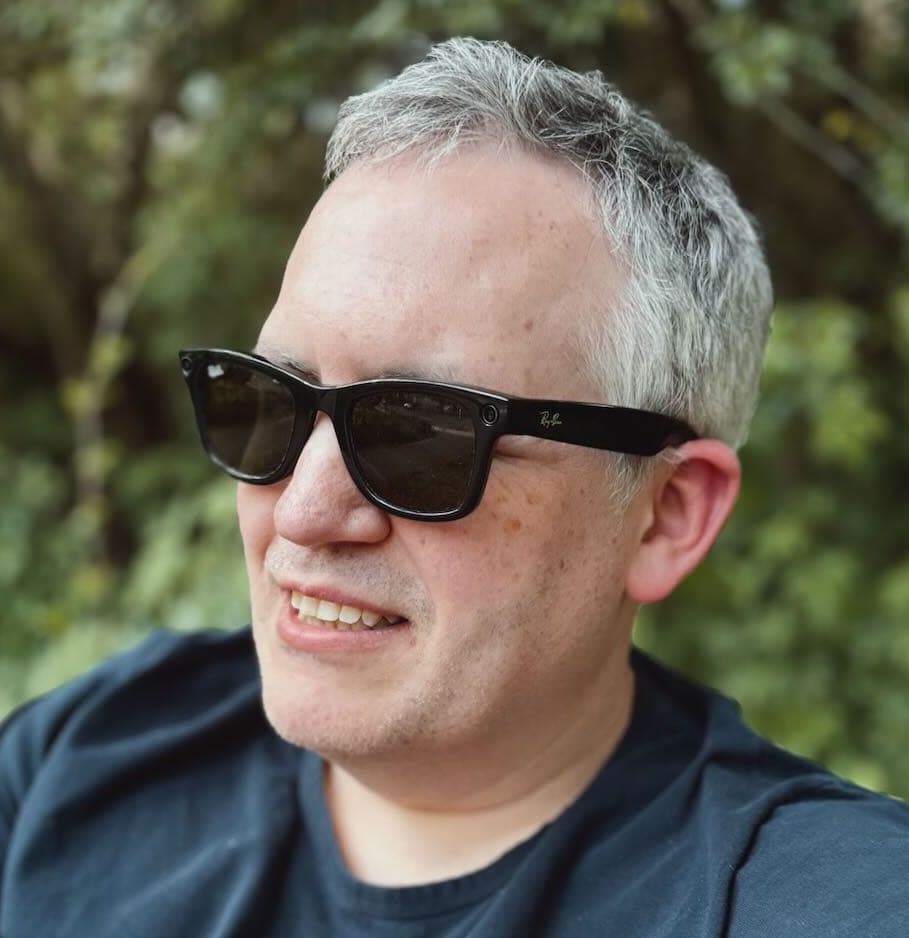
Bits&Letters founder David Demaree

A founder-led web and product consultancy

Bits&Letters is a founder-led web & product consultancy based in the New York City area. We plan, design, and build websites and apps for startups and mid-size businesses across a range of industries, especially B2B tech, healthcare, and fintech.

Our founder David Demaree helped build UI tools and infrastructure, including Adobe Fonts, Material Design, and Webflow.

Now, at Bits&Letters, David works with clients to set up better systems, so you can deliver web experiences that are secure, fresh, and engaging for your users, without anyone having to spend all day worrying about the website.

David strikes that rare balance of design, creativity, and technical know-how, and made it easy for our team to move fast without sacrificing quality. He made the process of building and updating pages fun by creating templates and reusable components.

Hazal MestciDeveloper Marketer, Oso

Frequently asked questions

Do you design the site?

Yes. We designed Copytree’s new site end to end. For Rill, whose CMO and in-house designer set the direction, we filled in the responsive layouts, fluid typography and the interior pages that had no mockups. We can also work with a designer you already have, or bring in an outside specialist, whichever suits the project and your budget.

Will we see mockups, or a working site?

Mostly a working site. We agree on direction early, then get into code quickly, so you review real pages with your real content, click through them on your own phone and adjust before launch. Early versions won’t be as polished as a mockup. They show you something a mockup can’t, though: how a layout copes with a headline twice as long as planned.

How do you handle accessibility?

We design for it from the first component, so it’s solid by the time the site ships. Semantic HTML, responsive behavior and accessibility are part of how each component is defined, which keeps them working as your team adds pages. Small decisions count too. On Copytree’s homepage, we rendered the ASCII-art tree as an image instead of live text, which was better for accessibility, performance and phones.

Do you design logos and brand identities?

Yes, when a project needs them. We drew the logomarks and identities for Peabody Fine Architects and Build Discipline. You can also bring an identity you already have, or we can bring in a brand specialist. Either way, our website design starts from that brand and works out how it behaves on every screen.

Who writes the copy?

Usually your team does. Copywriting isn’t part of our standard scope, because we’d rather not overpromise on writing, designing and building a site all at once. When a project needs it, we can help with the writing or find a writer who fits. Either way, we design with real words as early as we can, because a layout built around placeholder text tends to break on the real thing. On Rill’s site, the CMO wrote new copy and outlines for the homepage and product overview, and we built those pages from scratch around them.

Do we need to switch platforms?

Not necessarily. If your current platform works for your team, we can often redesign on it. Peabody Fine Architects stayed on WordPress, with a new custom theme and far fewer plugins. If the platform is part of the problem, we’ll recommend an alternative, explain the tradeoffs and tell you whether the move is worth the effort.

What happens after launch?

We can stay on for support, or hand the site to your team with documentation on how it’s built. Either way, you own the result: code, content and accounts.

How much does a new site or redesign cost?

We scope and price each project after a first conversation. Cost depends on how complex your content is, what your team expects from the CMS and how many page templates and integrations the site needs.

Related writing

Sepia-toned photo of a tennis player on an orange patterned background

How Claude and I rebuilt B&L's website

I spent most of this summer stuck on a redesign of bitsandletters.com. AI agents got me moving again by sorting out which of our past design decisions still mattered.

Bring the problem.

We’ll help you find the way forward.